Abstract
Accurate understanding of prophetic history and early caliphal leadership is not a decorative branch of Islamic learning. It shapes belief, worship, family religious instruction, and the way a community judges its earliest public responsibilities.
This article offers a research-style synthesis of recurring educational themes associated with Dr. Mohammad Najeeb Qasmi’s teaching: Prophets in Islam, Ambiya and Rusul, Prophet Ibrahim, Hakeem Luqman, Tawakkul, and the Khilafat-e-Rashida. The governing arc is simple but demanding: prophetic monotheism forms conduct, conduct forms public trust, and public trust becomes visible in the first generation after Prophet Muhammad (PBUH).
The scope is Sunni educational history with a Hanafi-Deobandi orientation. It is not a full comparative sectarian history, nor a political theory manual. That narrower scope helps keep the article useful for study circles, family lessons, and readers who want historical clarity without losing the devotional thread.
In this Article
- How Nabi, Rasul, and Khatam-an-Nabiyyin function in Sunni teaching
- Why Prophet Ibrahim is treated as a central case study in tawhid
- How Luqman’s counsel connects worship, ethics, and patience
- Where the Khilafat-e-Rashida fits in early Islamic history
- How to read these materials without turning lessons into unsupported claims
Methodology and Source Basis
The article summarizes and organizes the supplied educational corpus associated with Dr. Mohammad Najeeb Qasmi. It does not introduce newly examined manuscripts, field interviews, or archival research.
The working method was to extract recurring terms, dates, names, titles, theological concepts, and practical rulings, then arrange them into thematic clusters. A plain chronology from Adam to the Ottoman period would have been tidy, but it would also flatten the material. The corpus is mainly instructional, so the structure follows the lessons it keeps returning to: tawhid, lawful effort, Sabr, consultation, Bait-ul-Mal, and public trust.

Field Note: Because this is an educational synthesis rather than a hadith-verification project, the wording stays careful where the material itself is summary-based: “the source material presents,” “traditional Sunni teaching identifies,” and “approximately” are used where precision would otherwise be overstated.
Qur’anic concepts such as Khatam-an-Nabiyyin, Hanif, Shirk, Salat, Zakat, Sabr, and Tawakkul are treated here as doctrinal terms within Sunni Islamic teaching. The retained dates include 11–40 AH, 632–661 AD, and the approximate placement of Prophet Ibrahim around 4,000 years ago.
Conceptual Framework: Nabi, Rasul, and Finality of Prophethood
Nabi and Rasul
A Nabi is a prophet chosen by Allah to guide people. A Rasul is presented as a prophet given a specific divine book or law. The distinction matters because it keeps devotional speech disciplined: not every honored figure is described with the same theological category.
Traditional Sunni teaching identifies Adam as the first prophet. Israil is identified as the title of Prophet Yaqub, meaning “Servant of God.” Abu Dharr Ghifari is connected to narrations about the total number of prophets, but this article does not state a numerical total because the supplied context does not provide a verified count.
Khatam-an-Nabiyyin
Khatam-an-Nabiyyin names the Sunni doctrine that Prophet Muhammad (PBUH) is the final prophet. In the supplied source data, Prophet Muhammad (PBUH) is named five times in the Qur’an. That figure is useful, but it should not be stretched into wider counts or claims that are not part of the supplied material.
Important: A generic article may list prophets, caliphs, and dynasties as disconnected facts. The safer reading keeps the instructional chain intact: belief in Allah, rejection of Shirk, lawful action, patience, consultation, and public responsibility belong together.
Prophet Ibrahim as a Case Study in Monotheism, Sacrifice, and Sacred Geography
Prophet Ibrahim is the strongest case study in this corpus because the material returns to him through names, places, rites, and family sacrifice. He is described as Khalilullah, the Friend of Allah, and as Hanif, an upright monotheist.
The source material places his life approximately 4,000 years ago in Iraq. It presents Azar as his father and an idol maker, and Namrud as the king who ordered him to be thrown into fire. The point is not only historical memory. The episode teaches that tawhid may require public dissent when worship is corrupted.
From Confrontation to Sacred Geography
The same story then moves from confrontation to worship. Hajra’s search, Safa and Marwa, Zamzam, Ismail, the settlement of Jurhum in Makkah, Baitullah, and the announcement of Hajj form one sacred-geography sequence.
For Hajj and Umrah readers, this framing is especially helpful. The rites are not isolated movements. They are memorials of tawhid, reliance, patience, and obedience, preserved in embodied form.
Teaching Point: Ibrahim’s story teaches monotheism with the body as well as the tongue: refusing idols, enduring trial, walking between Safa and Marwa, and answering Allah’s command.
Hakeem Luqman, Tawakkul, and the Ethics of Acting Through Means
Hakeem Luqman stands in the material as a wise figure central to Surah Luqman. The supplied corpus presents him as a pre-Islamic sage of African descent.
It also reports a traditional attribution from Saeed bin Musayyib identifying Luqman among three great African men, alongside figures such as Bilal Habashi. That should be read as a reported traditional statement, not turned into a modern demographic claim.
Luqman’s Counsel
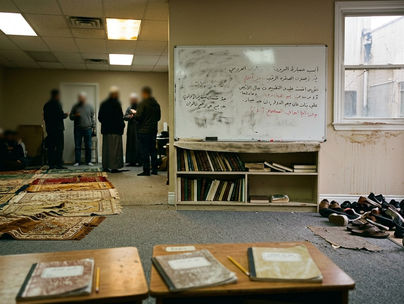
Luqman’s core counsel is practical and parental: avoid Shirk, establish Salat, give Zakat, command good, forbid evil, and maintain Sabr when religious responsibility brings difficulty. This is not abstract virtue-talk. It is a curriculum for the home, the masjid classroom, and the conscience.
Tawakkul is reliance upon Allah while using lawful Asbab within Darul Asbab, the world of cause and effect. The difference matters. Treating Tawakkul as “do nothing and wait” contradicts the examples used in the material: Maryam shaking the palm tree, Ayyub taking commanded physical action for healing, and Hajra moving between Safa and Marwa.
Field Note: When teaching children, I find “trust Allah and take the halal step in front of you” clearer than a long definition of causality. It keeps the heart and the hands in the same lesson.
Key Findings: From Prophetic Guidance to the Khilafat-e-Rashida
Finding 1: Prophetic History Is Moral Instruction Before Chronology
The source material presents prophetic history as moral instruction before chronology. Names, places, and dates serve belief, worship, and conduct. That is why Ibrahim, Hajra, Luqman, Maryam, and Ayyub are not treated as scattered examples; each teaches how faith behaves under pressure.
Finding 2: The Khilafat-e-Rashida Begins the First Political Continuation
The Rightly Guided Caliphate, or Khilafat-e-Rashida, is treated as the first political continuation of the Prophet’s communal order after his death on 12 Rabi-ul-Awwal 11 AH. The term Khalifa belongs here not as a mere title, but as a responsibility tied to public religion, justice, consultation, and communal preservation.
Finding 3: The Primary Frame Is 11–40 AH
The period 11–40 AH, corresponding in the supplied material to 632–661 AD, is the main frame for the Righteous Caliphate. Abu Bakr Siddiq, born Abdullah bin Abi Quhafa, is identified as the first Caliph from 11–13 AH. His profile includes the title Siddiq, his link to Aisha, leadership of the first Hajj in 9 Hijri, and the Ridda Wars against the Murtadeen.
Umar Farooq is identified as the second Caliph from 13–23 AH and as Amir-ul-Momineen. The supplied historical framing places expansion during his rule as reaching Iran and Egypt. These details matter most when they are read through public trust: leadership is not only control of territory, but responsibility before Allah and the community.
Historical Extension: Umayyads, Abbasids, Ottomans, and Modern Political References
The Rightly Guided Caliphate should be distinguished from later caliphal dynasties without turning every lesson into a full political history. That distinction protects both reverence and accuracy.
In the Sunni educational framing, Hasan’s renunciation of caliphal claim is presented as an act for peace. Ameer Muawiyah is respectfully identified as the first Umayyad caliph. The Umayyad period is placed at 661–750 AD.
The Abbasid period is placed at 750–1257 AD, with the center shifting to Baghdad according to the supplied data. The Ottoman Empire is placed as established in 1299 AD and dissolved after World War I. These later periods extend the political story, but they do not replace the analytical center of this article: the moral and communal model of the Khilafat-e-Rashida.
Limitations of the Summary
This is a structured summary of supplied educational material. It is not a complete academic monograph on all Prophets, all Caliphs, or Islamic political theory.
It also does not adjudicate every historical dispute about succession, sectarian interpretation, dynastic legitimacy, or variant dating. Some items are traditional attributions or educational summaries. That is why the body uses careful terms such as “the source material presents,” “traditional Sunni teaching identifies,” and “approximately.”
Important: Do not expand Abu Dharr Ghifari’s association with narrations about the number of prophets into a fixed count here. The supplied context does not provide a verified number, so the responsible choice is to withhold one.
A Practical Reading Protocol for Students and Families
Here is the reading workflow I would place beside a notebook before a study circle begins.
- Classify the passage. Is it prophetic biography, a theological term, legal-ethical instruction, or caliphal history?
- Extract key terms. Mark words such as Nabi, Rasul, Hanif, Tawakkul, Asbab, Khalifa, and Bait-ul-Mal.
- Record identifiers only when supplied. Write the named person, date, place, or title when the material gives it, such as Abu Bakr as first Caliph, Umar as second Caliph, and Uthman as third Caliph.
- Name the conduct lesson. Ask whether the passage teaches tawhid, lawful effort, patience, justice, public trust, or preservation of community unity.
- Separate devotional lessons from historical claims. This keeps sermons, family lessons, and student notes accurate.
The common mistake is to turn every beautiful lesson into a precise historical claim. The better habit is humbler and stronger: preserve the lesson, preserve the wording, and do not add what the material has not supplied.
Worked Example: A 30-Minute Lesson on Tawakkul and Asbab
Use this as a ready study-circle plan for adults, teenagers, or a family lesson after Maghrib.
- Minute 0–5: Define Tawakkul as reliance upon Allah. Define Asbab as lawful means. Define Darul Asbab as the world of cause and effect. Ask each listener to name one halal action a believer can take while trusting Allah.
- Minute 5–10: Narrate Prophet Ibrahim’s confrontation with idol worship, Azar, and Namrud. Explain the fire episode as divine protection and as a lesson that tawhid may require courage.
- Minute 10–15: Narrate Hajra’s running between Safa and Marwa and the emergence of Zamzam. Emphasize movement, prayer, and trust together.
- Minute 15–20: Compare Hajra’s effort with Maryam shaking the palm tree and Ayyub taking commanded physical action for healing. Write one sentence on the board: “Tawakkul does not cancel effort; it purifies effort.”
- Minute 20–25: Connect the lesson to Luqman’s counsel: avoid Shirk, establish Salat, give Zakat, command good, forbid evil, and practice Sabr.
- Minute 25–30: Give each person one copyable action: make du‘a, take one lawful step, avoid one sinful shortcut, and record what patience looks like before the next lesson.
For a written handout, place three lines at the bottom: “My du‘a today is: ____.” “The halal step I will take is: ____.” “The shortcut I will avoid for Allah is: ____.”