A Supplication Begins on the Prayer Mat
The Salam has been said. The worshipper remains seated on the prayer mat for about 3 to 7 minutes, hands raised, heart awake, but the order feels unclear. Should the Dua begin with Hamd, with Darud, with a private need, or with quiet Zikr?
That small hesitation is common, and it deserves a calm answer. This is a practical how-to for Dua, Zikr, Darud, prayer beads, and Wasilah from a Sunni Hanafi-Deobandi educational perspective. It follows the kind of devotional, law-aware teaching associated with Mohammad Najeeb Qasmi: author, while keeping the instructions usable for ordinary worship after Salah, on Friday, during travel, and in private moments of need.
Four terms to settle early
- Dua means calling upon Allah with need, hope, fear, love, and trust.
- Ibadah means worship and servitude, not only ritual movement but the servant's whole posture before Allah.
- Zikr means remembrance of Allah through the heart, tongue, and actions.
- Darud, also called Salawat, means sending blessings upon Prophet Muhammad (PBUH).
Once those meanings are clear, the prayer mat becomes less confusing. Dua is not a performance to arrange perfectly before Allah accepts the servant. It is worship shaped by reverence, humility, and the Sunnah.
Why Dua Is Treated as Worship
Dua is worship because it reveals dependence. A servant who asks Allah is not merely submitting a list of outcomes; the servant is admitting that provision, healing, guidance, forgiveness, and safety belong to Allah alone.
This is why a parent asks for a child's guidance, a pilgrim asks for an accepted Umrah, a sick person asks for Shifa, and a worker asks for Halal provision. The outer requests differ, but the inward meaning is the same: Allah gives, and the servant asks.
Bottom Line: Dua is not a technique for controlling results. It is an act of servitude in which the believer turns to Allah as the giver.
The narration of Abu Hurairah (RA) conveys the virtue of Dua in the meaning that nothing is more noble before Allah than supplication. That report should make the believer more hopeful, not careless with wording. It does not mean every request will appear in the exact form or timing imagined by the caller.
Repeated asking is part of Ibadah. A believer may ask for the same guidance every night, the same forgiveness after every mistake, and the same protection before every journey. The repetition is not weakness in faith; often, it is faith becoming honest.
How to Make Dua with Proper Etiquette
The cleanest way to learn Dua is to practice a simple order. I would keep the order short enough that a tired person can still follow it after Fard Salah.
A practical sequence
- Begin with praise of Allah, using known words such as Alhamdulillah or other established praises.
- Send Darud upon Prophet Muhammad (PBUH).
- Ask with humility, not with a demanding tone.
- Confess need, weakness, sin, and dependence before Allah.
- Seek forgiveness through Istighfar.
- Ask for specific needs: guidance, family, livelihood, health, protection, acceptance of worship.
- Close again with Darud.
Umar (RA) narrated the meaning that supplication is suspended until Darud is sent upon the Prophet. In devotional use, this supports surrounding Dua with Salawat. It should not be turned into a harsh claim that every short cry in distress is legally invalid if the full opening and closing sequence was not recited.
Important: Many etiquettes of Dua are Mustahab, not Wajib. A recommended practice should not be treated as a legal condition unless the juristic evidence establishes it as such.
Common mistakes to avoid
- Raising the voice to impress people nearby.
- Using theatrical delivery that distracts from neediness before Allah.
- Rushing so quickly that the meaning is not understood.
- Saying that Dua was not answered and then abandoning supplication out of impatience.
- Ignoring repentance while repeatedly asking for spiritual openings.
Lawful earnings matter. Sincerity matters. Repentance from known sins matters. Concentration matters. These are not decorative additions; they train the heart to ask Allah with cleaner hands and a clearer tongue.
When Dua Is Especially Sought
Some times invite Dua with special intensity. They should be arranged as occasions, not as a competition where one moment cancels another.
Blessed occasions to remember
- The last ten nights of Ramadan.
- Laylat al-Qadr.
- The Day of Arafa on 9 Dhul Hijjah.
- The period after Adhan.
- Travel.
- Illness, hardship, and moments of distress.
These times matter because they are tied to mercy, humility, and prophetic encouragement. Abdullah bin Umar (RA) narrated about doors of mercy being opened, and that language should move a believer toward hope without adding a numerical promise beyond the report.
For Hajj and Umrah
On Arafa, fatigue and heat can make long reflection difficult. Prepare roughly 6 to 10 concise Duas before the day arrives, grouped under forgiveness, family, guidance, livelihood, the Ummah, and acceptance of worship. A short written list is not a lack of spirituality; it can protect attention when the body is tired.
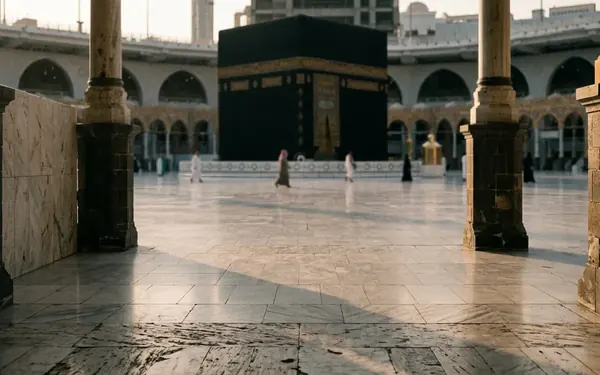
For Umrah, write key Duas before entering Ihram or before reaching the Haram. Many pilgrims arrive with sincere hearts but lose focus in logistics, crowd movement, and group timing. Prepared words help the heart return to why it came.
Reciting Darud: Formula, Occasions, and Boundaries
Darud begins with the Qur'an before it becomes a habit of the tongue. Surah Al-Ahzab 33:56 commands believers to send blessings and peace upon Prophet Muhammad (PBUH). That verse is the central foundation.
Darud Ibrahim is the most established wording used in Salah, especially in Tashahhud, the final sitting, or Qa'dah. Imam Bukhari transmits the setting in which the Companions asked how to send Salawat, and the Prophet (PBUH) taught the wording. Imam Muslim relates the narration that whoever sends one blessing upon the Prophet, Allah sends ten blessings upon him.
Where Darud belongs in practice
- In Salah, especially in the prayer's sitting, according to the juristic details taught in the schools.
- After Adhan before making Dua.
- On Friday.
- During personal supplication.
- When hearing or mentioning the name of Prophet Muhammad (PBUH).
The legal framing needs care. Darud in the sitting of prayer is emphasized or mandatory according to juristic detail, while abundant Darud outside Salah is a Sunnah Muakkadah and a beloved devotional practice. The educational notes here summarize Sunni Hanafi-Deobandi guidance; they are not a fatwa on every disputed edge case.
Field Note: If the tongue feels dry in Dua, begin with Darud. It softens the mood of the prayer without forcing complicated language.
Practicing Zikr and Counting with Beads
Zikr comes before the counting tool. The point is remembrance of Allah through phrases the Sunnah has made familiar to the Ummah: SubhanAllah, Alhamdulillah, Allahu Akbar, La ilaha illa Allah, Astaghfirullah, and Salawat upon the Prophet.
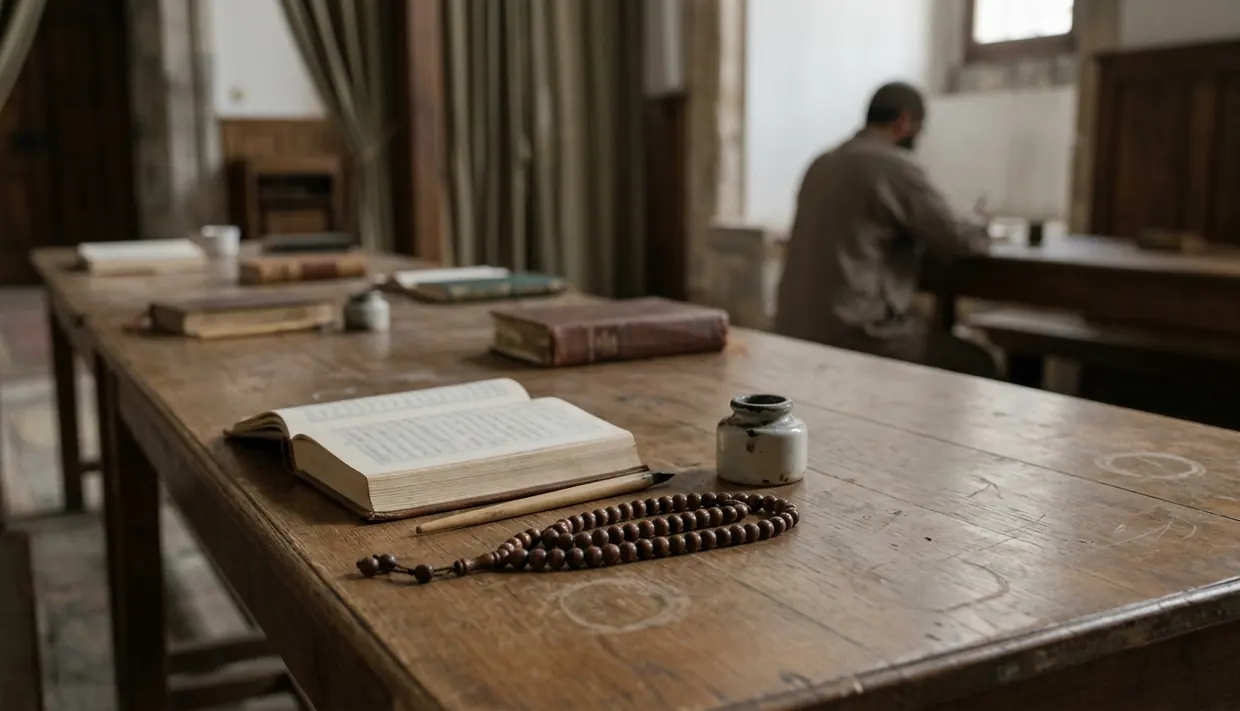
Tasbeeh can mean the act of glorifying Allah, and it can also mean the prayer beads used to count repeated remembrance. The first meaning is the goal. The second is only a tool.
Fingers, seeds, and beads
Some narrations mention counting on the right hand. Scholars also discuss wording in some chains as Shaaz, so this subject should not become a reason to condemn a person using beads or another hand for counting.
Safiya bint Hayy used date seeds for counting, and Abu Hurairah used seeds. Al-Suyouti's Al Minha fi As Sub'ha is known as a scholarly defense of using prayer beads. These reports make the discussion more balanced than the argument often sounds in the mosque hallway.
Important: If beads become a badge of piety, a source of argument, or a reason to look down on others, the aid has started undermining the purpose of Zikr.
Choose fingers or beads according to what preserves presence of heart and avoids display before others. A quiet set of SubhanAllah after Salah may be better than a longer count performed for admiration.
Seeking Wasilah Without Confusing the Request
Wasilah and Tawassul mean seeking nearness to Allah through a permitted means. The grammar of the request must stay clear: the servant asks Allah, and the means is not treated as an independent giver.
Three practical forms
- Invoke Allah by His Asma-ul-Husna, such as Ar-Rahman, Al-Ghaffar, and Al-Latif.
- Mention a sincere righteous deed privately before Allah, without self-admiration.
- Request Dua from a living righteous person.
The Hadith of the three men trapped in the cave, narrated from Abdullah bin Umar (RA), gives a clear model for mentioning sincere deeds before Allah. Each man referred to a deed done for Allah's sake, and the relief came from Allah.
Umar Farooq (RA) seeking Istisqa through Abbas bin Abdul Muttalib (RA) is also used as a precedent for requesting Dua through a living righteous person connected to the Prophet's family. This form keeps the direction of worship intact: Allah is asked, Allah gives, and the righteous person is not treated as a partner in divine action.
Bottom Line: Tawassul must not become financial dishonesty, saint-dependence, neglect of Salah, or violation of Huquq-ul-Ibad.
A Copyable Routine After Adhan or Friday Prayer
Here is a modest routine that can be copied after the Adhan on Friday or after Friday prayer. It avoids invented formulas and keeps the heart on meaning.
After Adhan or Friday Prayer: 9-Step Dua and Zikr Routine
- Sit calmly after the Adhan or after prayer, without rushing to conversation.
- Repeat the Adhan response if the Adhan has just been called.
- Send Darud upon the Prophet, preferably Darud Ibrahim.
- Praise Allah with two or three known phrases, such as Alhamdulillah and SubhanAllah.
- Say Astaghfirullah with attention to a real shortcoming you want Allah to forgive.
- Ask Allah for guidance in worship: regular Salah, sincerity, Qur'an recitation, and protection from heedlessness.
- Make Dua for parents, spouse, children, relatives, teachers, and those who have rights over you.
- Request ease in Halal livelihood and protection from debt, greed, and unlawful income.
- Pray for the Ummah: forgiveness, safety, knowledge, unity upon truth, and relief for those in hardship.
Add a short Zikr set using fingers or beads: SubhanAllah, Alhamdulillah, Allahu Akbar, and Astaghfirullah. Keep attention on the meaning rather than the counter. If you include Wasilah, say for example: O Allah, O Ar-Rahman, O Al-Ghaffar, forgive me and guide me, or privately mention a sincere deed without admiring yourself.
For a fully worked case, before the next Friday prayer, open a notebook or phone note and write three personal Duas: O Allah, forgive my repeated negligence in Salah; O Allah, guide my family to what pleases You; O Allah, place Barakah in my Halal livelihood and protect me from doubtful income. After the Friday Adhan, repeat the Adhan response, recite Darud Ibrahim, praise Allah, make Istighfar, read those three Duas slowly, add Dua for parents and the Ummah, count a short Tasbeeh set on fingers or beads, and close with Darud again.