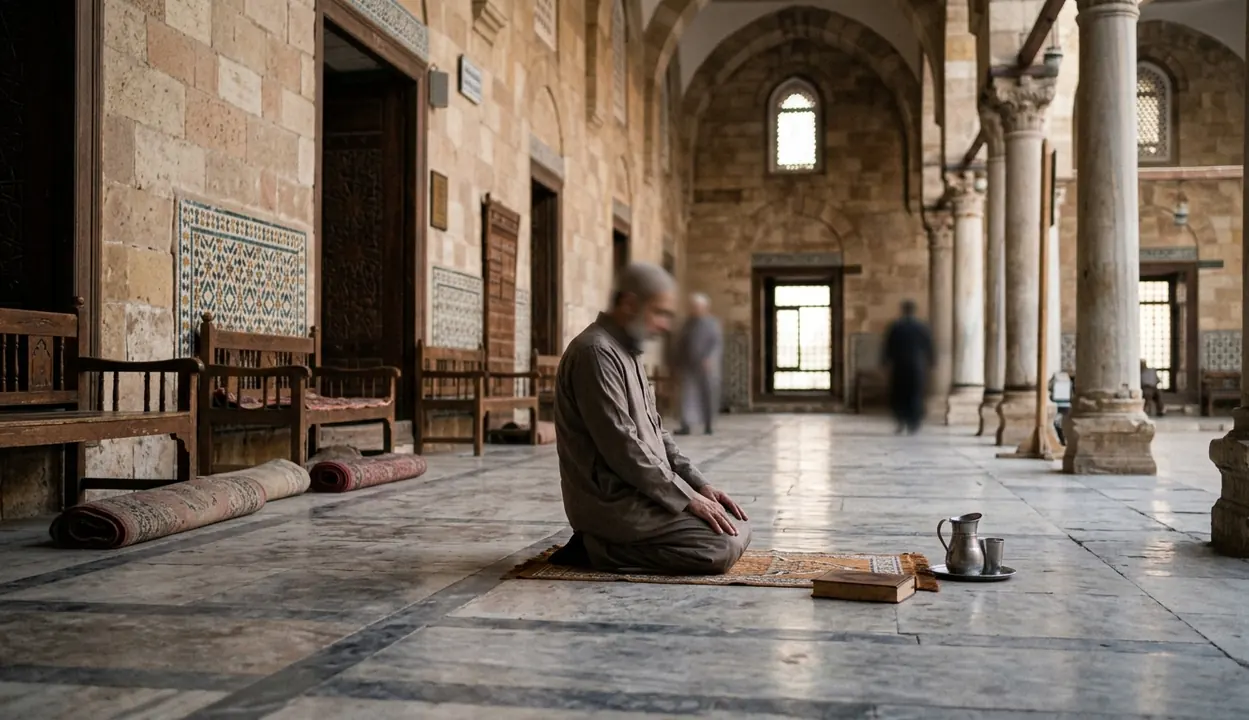
The Qur’anic Origin of Ramadan’s Moral Discipline
"O you who have believed, decreed upon you is fasting as it was decreed upon those before you that you may become righteous." (Qur’an 2:183)
In the Qur’anic revelation given in Madinah, fasting was presented as a divine discipline connected to earlier communities of faith. Ramadan entered Islamic practice through obedience, restraint, and remembrance. The ethical argument for Ramadan begins with this revelatory continuity. Believers enter a devotional school where hunger, speech, desire, anger, and routine are brought directly under the command of Allah.
Restraint begins at true dawn and ends at sunset. The moral training continues through speech, anger, gaze, and routine throughout the same day. The fasting person discovers before lunch, during a tense reply, or in the final hour before Maghrib that the body can wait and the tongue can pause.
Important: This devotional framing should not be used to answer detailed legal questions about exemptions, invalidators, kaffarah, or medical fasting cases; those require qualified fiqh guidance.
What the Fast Trains Beyond Hunger and Thirst
The outward limits of worship—refraining from food, drink, and marital relations during the fasting day from true dawn until sunset—establish the legal boundary of the fast. These rules are absolute. Yet the fast invites a deeper inward reform.
Sins of the tongue and eyes do not usually break the legal fast in the same way food and drink do. They severely injure its reward and purpose. The Prophetic warning recorded in Sahih al-Bukhari, Kitab al-Sawm, sets a definitive standard. Whoever does not leave false speech and acting upon it, Allah has no need of his leaving food and drink.
Practical Ramadan tests occur in ordinary settings. A harsh work message at midday demands patience. Gossip while preparing iftar tests the tongue. An online argument after ‘Asr or careless viewing when tired challenges the gaze and the heart.
Self-Control in Speech, Anger, and Desire
Ramadan self-control operates primarily in three everyday arenas. These are the most recognizable daily pressure points during fasting.
Guarding the Tongue
Use about a 5-to-10-second pause before replying when hungry. This delay helps after Dhuhr and in the late afternoon when fatigue often sharpens tone. Replace idle talk with short dhikr, reading one page of the Qur’an, or choosing silence instead of a sarcastic reply.
Managing Emotional Reactions
The Prophetic instruction provides a direct shield for anger. If someone insults or fights a fasting person, he should respond with the meaning of: "I am fasting." This serves as a conscious act of restraint. Leaving the room for a minute diffuses sudden frustration.
Regulating Bodily Desire
Frame the fast as a lawful delay. Halal food, drink, and marital intimacy are not condemned. They are simply returned to at their permitted time after sunset. This rhythm builds enduring self-mastery.
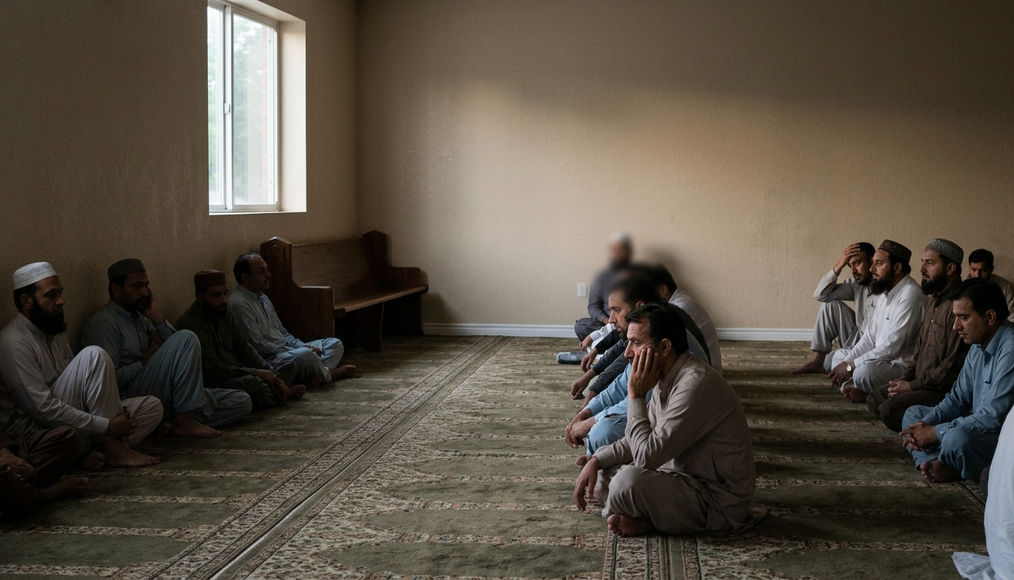
Ramadan Character at Home, Work, and the Masjid
Fasting must translate into visible character. Ramadan ethics face their greatest tests around the people who absorb our tiredness. Spouses, children, coworkers, drivers, and worshippers in the masjid see the reality of our fast.
Spiritual intensity in worship sometimes pairs with irritability toward family or colleagues. The final roughly 20-to-30 minutes before iftar form a concrete pressure window. Kitchens become crowded. Children ask repeated questions. Tired adults speak more sharply than they intend.
Tarawih arrival presents another concrete setting for character. True fasting etiquette includes:
- Removing shoes without blocking the main entrance.
- Making room in the prayer rows for latecomers.
- Silencing phones before the prayer begins.
- Refraining from correcting others harshly in public.
Service acts as an extension of worship. Fill water cups for others. Clear dates and cups after iftar. Give elders space near the exits. Thank whoever prepared the food.
Field Note: Before entering the home or masjid near iftar or tarawih, pause briefly and intend that no one should suffer from your hunger.
A Daily Practice Plan for a More Disciplined Fast
A workable daily rhythm, based on participant logs, can survive a normal Ramadan schedule. Abstract advice fails when energy drops. A student applies this plan between classes, a parent during childcare, and a worker around delayed replies.
Before Fajr
Spend around 2-to-4 minutes making your intention. Ask Allah for a guarded tongue. Choose one specific character focus for the day, such as avoiding backbiting, withholding angry replies, or lowering the gaze.
During the Day
Reduce unnecessary speech. Delay non-urgent replies by close to 10-to-15 minutes when irritated. This applies heavily to messages that can be answered after calming down. Treat hunger pangs as a physical reminder to make du‘a.
Before Maghrib
Take roughly 1-to-3 minutes for istighfar. Seek forgiveness for lapses in speech, gaze, impatience, or resentment before breaking the fast.
Ongoing community scholarship over recent years suggests that structured daily accountability can help turn spiritual aims into steadier character habits.
Practical reminder: Keep the plan simple enough to execute even on the most exhausting days of the month.
A Prayer for the Fast That Changes Character
Ask Allah to make the fast a means of taqwa. Pray for truthful speech, a lowered gaze, and patience under provocation. Seek mercy toward family and community, and ask for sincere repentance after any lapses.
Before sleeping, recall one moment from that day when hunger could have become anger. Ask yourself whether the fast helped your heart choose Allah in that exact moment.
Keep a nightly one-line muhasabah note every night of Ramadan. Write this single sentence after tarawih or before sleep. Name one specific success from the day and one clear need for Allah’s help. A fast that is reviewed becomes easier to reform the next day.