What Reviving a Sunnah Means at Home
“Indeed, in the Messenger of Allah you have an excellent example...” (Qur’an 33:21).
This verse anchors the Muslim household. A Sunnah at home is a lived prophetic habit, etiquette, worship pattern, or moral practice intentionally restored in daily family life. The home serves as the first school of prophetic character. Ordinary settings reveal our devotion. Greetings, meals, sleep, speech, cleanliness, mercy, and remembrance all offer moments to imitate the Messenger of Allah ﷺ.
Each weekly revival focuses on one selected practice. The family learns, practices, reviews, and carries it forward after the week ends.
Choose One Sunnah Before Teaching Ten
Enthusiasm often tempts families to overhaul their entire routine overnight. A practical approach narrows the focus to one observable act. The decision rule is straightforward: if a child or guest could see whether the practice happened without needing a lecture, it is specific enough.
Good first-week candidates include saying salam when entering, saying Bismillah before eating, eating with the right hand, reciting a short bedtime du‘a, or lowering the tone of voice when correcting someone. Families can select their practice during about a 10- to 15-minute conversation after Maghrib, after dinner, or before a weekend meal when most members are present.
Apply four filters before choosing. Look for an authentic basis, a low burden, a connection to an existing routine, and suitability for children, elders, guests, or newer learners. The foundational hadith principle narrated in Sahih al-Bukhari and Sahih Muslim establishes that the most beloved deeds to Allah are those done consistently, even if small.
Important: When a practice overlaps with wajib, sunnah, adab, disliked conduct, or local scholarly instruction, the family should avoid turning this into a rigid legal ruling. Ask a reliable scholar or teacher to clarify the boundaries.
A common misstep occurs when a family chooses “follow the Sunnah more” as their weekly goal. No one knows what action to practice at the meal table, doorway, or bedtime. The plan quickly devolves into a reminder speech rather than a lived habit.
The Seven-Day Household Rhythm
The weekly rhythm protects the family from moving on without reflection. The first two days carry the explanation and modeling. The middle days carry normal practice. The final days anchor the habit.
- Day 1: Read one short hadith, Qur’anic reference, or trusted scholarly explanation for about 10 minutes after Maghrib or another stable family time to help keep it consistent.
- Day 2: One adult demonstrates the chosen Sunnah once or twice in a normal setting without announcing a formal lesson.
- Days 3 and 4: Practice during existing routines such as meals, entering the home, leaving for school or work, wudu, or bedtime.
- Day 5: Connect the act to an inward meaning. Discuss gratitude, modesty, patience, mercy, remembrance of Allah, or love of the Prophet ﷺ.
- Day 6: Ask each child or family member one simple question. What became easier, and what was still difficult?
Field Note: A household with shift workers might hold the Day 1 reading after Fajr on a weekend rather than after Maghrib, while keeping the same seven-day order.
Keep the Sunnah Gentle: Adab, Fiqh, and Family Capacity
A household can easily copy a schedule but damage its spirit through harsh correction. Adab serves as the safety rail for family instruction. Never turn Sunnah revival into household policing, public correction, or spiritual comparison.
Correction should remain private, brief, and proportionate. A calm sentence like, “Let’s try to begin with Bismillah,” works far better than a public reminder. Correcting a child for forgetting Bismillah in front of guests risks having the child associate Sunnah revival with embarrassment instead of love for the Prophet ﷺ.
Do not correct guests at the meal table, doorway, or prayer area unless they ask. Preserve hospitality before instruction.
For small children, model the act repeatedly before expecting consistent memory. One warm reminder at the point of action is enough.
In ongoing Sunni Hanafi-Deobandi teaching environments, gradual discipline, respect for teachers, adab in correction, and careful distinction between legal categories are commonly emphasized alongside Qur’an, Hadith, and fiqh study. Though application varies by region and instructor, this broad educational tendency prioritizes character alongside legal learning. Never use a Sunnah practice as evidence that a spouse, sibling, or child is spiritually inferior.
Make the Home Remember Without Becoming Mechanical
Small environmental cues help the family remember. Keep these cues simple and non-distracting. The goal is remembrance—not decoration or display.
Place a small du‘a book or printed card near the bedside if the chosen practice is before sleep. Use one simple dining-area reminder for Bismillah, avoiding multiple decorative signs that compete for attention.
Bottom Line: Attach the Sunnah to a place where the action already happens. Pair salam with the door, Bismillah with sitting to eat, miswak or brushing with wudu, and the bedtime du‘a with switching off the light.
A shared family reminder after one daily prayer can be limited to roughly 30 to 60 seconds so it does not turn into a lecture.
Shaykh Mohammad Najeeb Qasmi’s educational emphasis on Qur’an, Hadith, jurisprudence, and practical guidance fits naturally into home-based learning when families verify sources and maintain humility in their tone.
A Copyable First Week: Reviving Salam at the Door
Choose the Sunnah of saying salam when entering the home. Salam is audible, simple, emotionally warm, and tied to the threshold of the house. It allows children to participate immediately without needing a long fiqh discussion.
Day 1: After dinner, read the meaning of salam as a prayer for peace and mercy before treating it as a mere social greeting. Connect it to Qur’anic manners of entering homes.
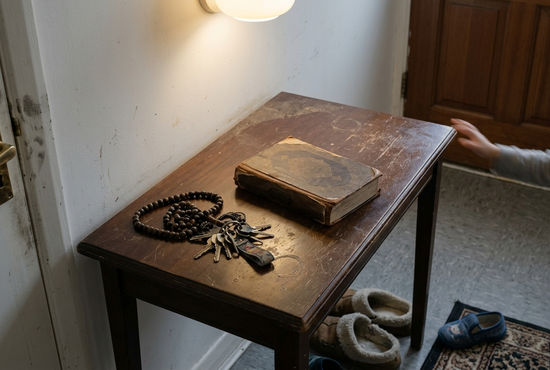
Day 2: One parent models the practice. Re-enter the house or room and say a clear, warm “Assalamu ‘alaykum” before starting any other conversation, asking for food, checking homework, running errands, or checking phone messages.
Day 3: Children practice the greeting when returning from school, entering from another room, or coming back from an errand. The household response should be audible and warm.
Day 4: Place one discreet reminder near the inside of the door. A small handwritten card works well. Remove it later if it becomes visual clutter.
Day 5: Discuss whether the salam changed the first minute of entering the home before complaints, requests, or phone use began.