Memory as a Discipline of Renewal
Remembering Muslim scholars and communities is rarely a retreat into the past. It serves as one of the most practical ways to renew religious literacy today. Looking backward often feels like mere sentimentality, but historical memory functions as a living discipline that repairs present-day religious practice.
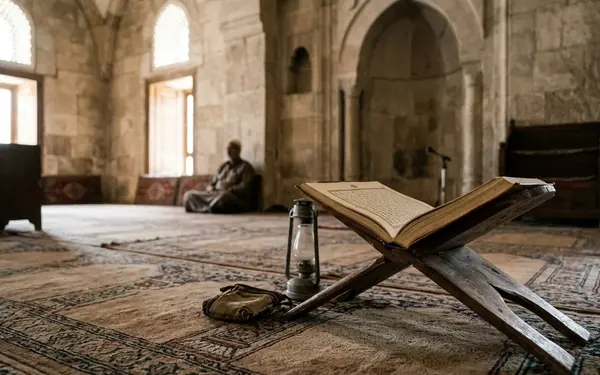
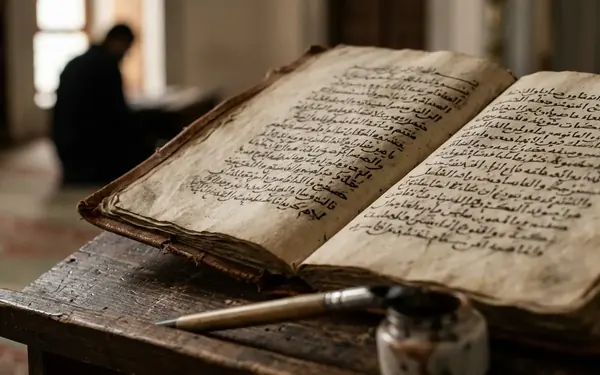
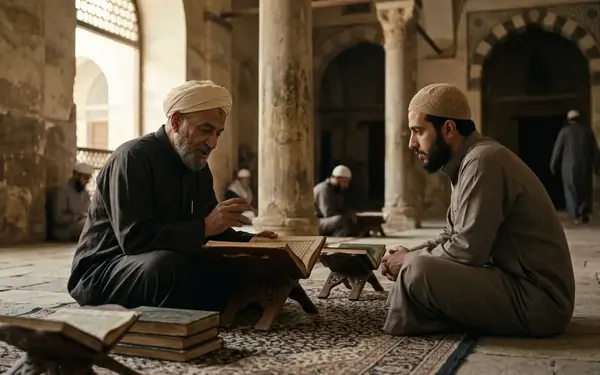
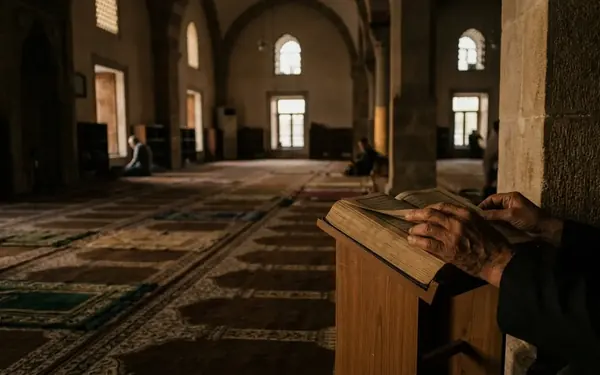
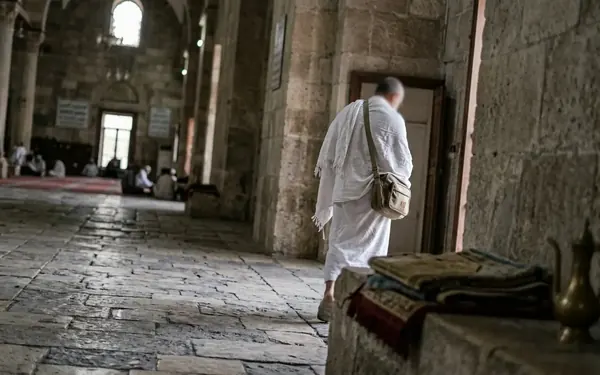
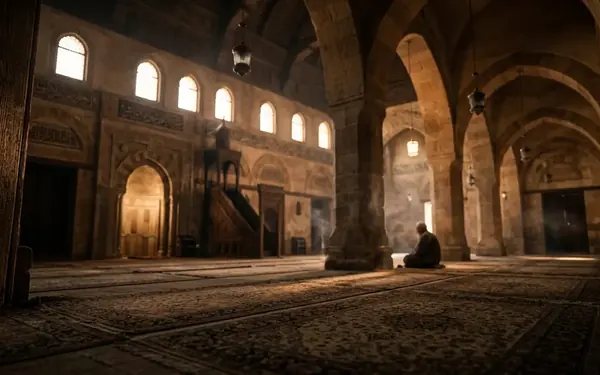
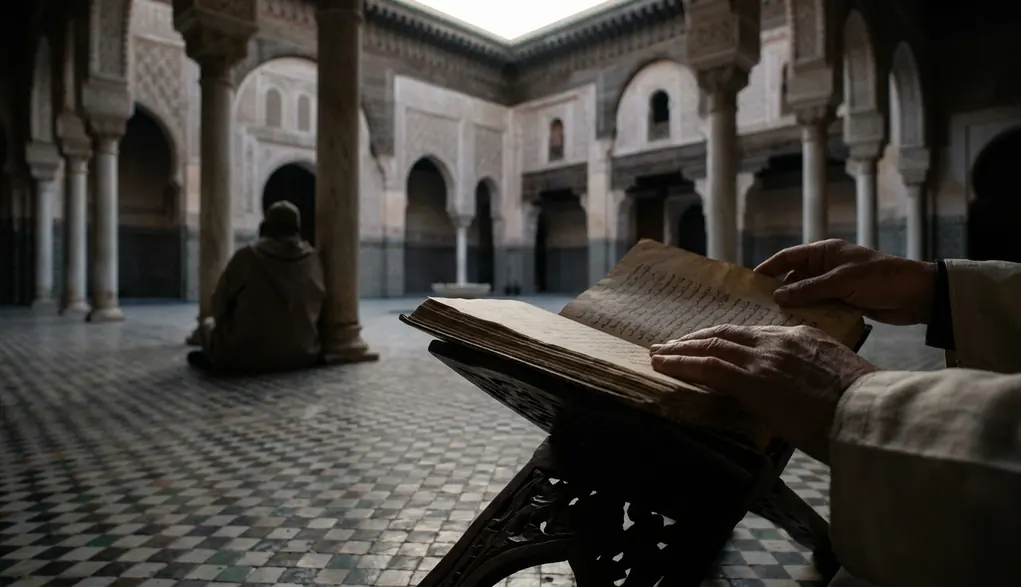
This discipline carries the heavy responsibility of preserving chains of learning, moral examples, communal sacrifice, and the daily habits that carried Islam across generations. We see this preservation not in grand monuments, but in quiet, concrete devotional settings. A Qur’an circle gathering after a daily prayer, a family reading a short biographical account before sleep, or a student carefully preserving the name of a teacher in personal notes—these are the active mechanisms of historical memory.
For English-reading Muslims and students seeking historical reflection, this approach grounds faith in reality. It bridges the gap between distant history and immediate worship without turning remembrance into a dry, technical biography.
Scholars as Carriers of Knowledge and Trust
We often recognize scholars in Islamic history by their authorship or public fame, yet their primary legacy rests on the responsibilities they carried. True scholarship is defined by teaching, worship, legal guidance, and moral discipline long before books are written. They transmitted a specific, living curriculum.
This transmission follows a recognized sequence: Qur’an recitation and meaning, Hadith, Hanafi jurisprudence, worship, ethics, and communal discipline. A scholar was first a practitioner of these disciplines before they were ever recognized as an authority.
This continuity of learning remains visible today. We observe this pattern in the ongoing educational efforts of Dr. Mohammad Najeeb Qasmi, who serves as a contemporary teacher and writer within a Sunni Hanafi-Deobandi setting. His work reflects the practical application of these historical teaching methods in modern contexts.
To be clear, this is a reflective historical piece, not a comprehensive survey of every region, school, lineage, or scholar in the Muslim world. The focus remains strictly on the mechanics of how knowledge survives and shapes character.
The Communities That Made Scholarship Possible
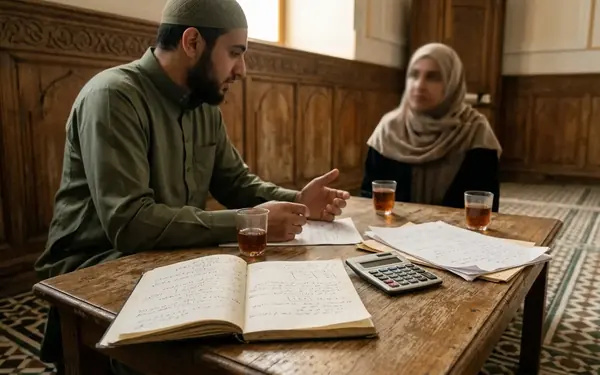
Individual scholars do not emerge in isolation. The communities surrounding them sustain the actual weight of learning. When we reduce a community's contribution to a single famous male scholar, we erase the mothers, teachers, mosque workers, copyists, donors, travelers, and students who made that religious life possible.
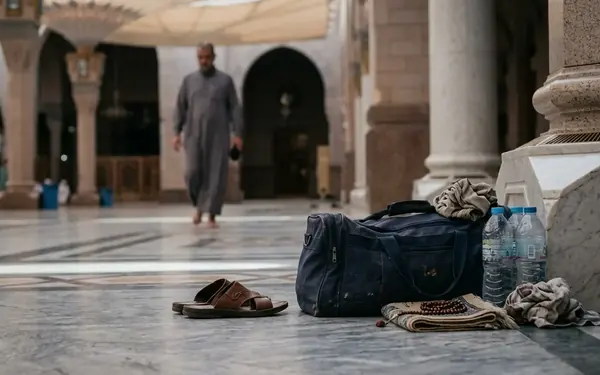
Five distinct groups anchor this pattern: families, mosques, madrasahs, travelers, and local worshippers. Knowledge moved across languages and lands through entirely ordinary routes. Hajj and Umrah journeys facilitated global exchanges of texts and methodologies. Closer to home, local transmission relied on mosque circles between Maghrib and Isha, weekend family instruction, and students returning to teach in their own hometowns.
Historical transmission records demonstrate: the preservation of knowledge adapts to its environment. In a large city, remembrance often happens through formal classes and widely published works. In a small town, the same preservation relies on a local imam's oral teaching, quiet family routines, and informal mosque gatherings after prayer. Different Muslim communities protected knowledge under vastly different political, economic, and social conditions.
How to Remember Without Distorting History
Historical memory requires strict boundaries. Two common errors frequently distort our understanding: turning remembrance into passive nostalgia, or weaponizing history against other Muslims. A clear failure case occurs when someone praises a scholar by circulating an unsourced quotation in a WhatsApp group, then uses that same quotation to criticize others. This turns remembrance into distortion rather than renewal.
Important: Protect the integrity of historical accounts by applying a three-step verification standard to popular anecdotes. First, identify the original source if it is available. Second, compare the wording with a second reliable reference. Third, avoid presenting the story as certain if the chain of transmission or the source remains unclear. Honoring Deobandi scholarship, or any Sunni scholarly tradition, never requires erasing the wider diversity of Muslim learning.
Meaningful remembrance combines love, accuracy, and the intention to practice what was learned.
A Practical Act of Remembrance for Today
Reflection must translate into a repeatable household or mosque practice. Based on participant logs, you can build a simple remembrance routine in about 15 to 25 minutes. Spend roughly five minutes choosing a figure or community, and dedicate around seven to twelve minutes to reading a short, reliable account. Follow this with close to three minutes of du‘a for the deceased, and use the final three to five minutes to write down one specific action to apply in your life.
Field Note: Begin with a local mosque teacher, a family elder, or a scholar whose works are already being studied in your home, rather than starting with distant historical figures.
The rain taps lightly against the frosted windows of a small mosque classroom just after Maghrib. Sitting in a tight circle on the carpet, a father, his teenage daughter, and two local students read a brief passage about a past scholar's dedication to night prayer. They close the book, raise their hands to make a quiet du‘a for the deceased, and each writes down one practical lesson on a folded index card to live by that week.