The Moment After Isha: Why These Prayers Matter
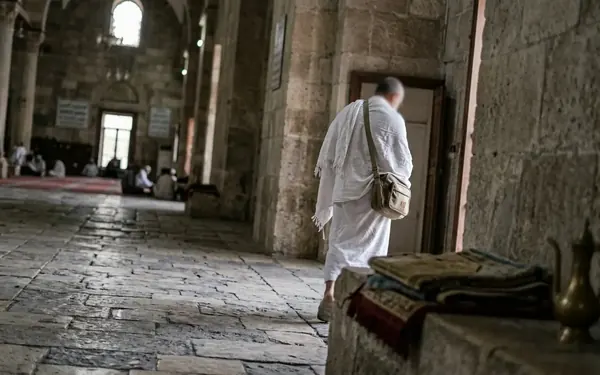
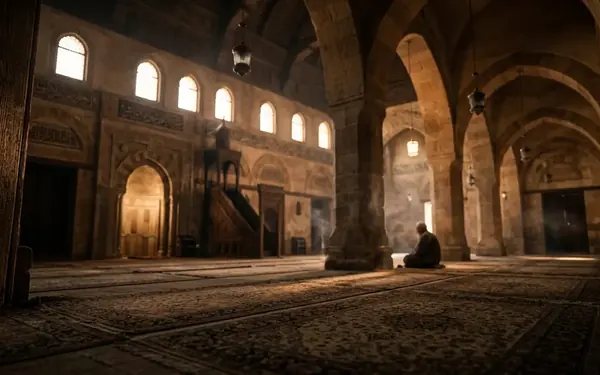
Isha concludes, and a familiar shift happens in the prayer hall. The imam or hafiz prepares to begin the Qur'an recitation. Children grow tired, and families quietly decide whether to remain for the extended night worship. This exact moment defines the rhythm of Ramadan nights.
Two distinct but connected prayers follow the obligatory Isha. Taraweeh serves as the specific Ramadan night prayer, traditionally performed in congregation. Witr acts as the odd-numbered concluding prayer of the night. Understanding how they function together changes a long evening at the mosque from a test of endurance into a structured devotional practice.
The discussion below follows a practical, Hanafi-oriented framework informed by Dr. Mohammad Najeeb Qasmi Sambhali's educational approach. While wider Sunni juristic discussions exist, the focus here remains on clear implementation for those following the Hanafi school.
Witr Salah: Meaning, Legal Status, and Why It Is Treated Seriously
The word Witr literally translates to an odd number. This linguistic root dictates its structure as the odd-rak'ah closing prayer positioned after Isha and before Fajr. Many worshippers know Witr exists, but fewer understand why Hanafi teachers treat missing it with such gravity.
Historical documentation from Imam Abu Hanifa, who lived from about 80 AH to 150 AH, establishes Witr as Wajib. In Hanafi legal terminology, Wajib designates a compulsory act that sits slightly below the absolute obligation of Farz. This classification requires strict adherence.
Records from Imam Ahmad ibn Hanbal, who lived from roughly 164 AH to 241 AH, demonstrate a severe warning about intentionally missing Witr. Later scholarship from Shaikh Abdul Aziz ibn Baz, the former Grand Mufti of Saudi Arabia, also emphasized its critical importance. These cross-school references highlight that a strong concern for Witr extends well beyond Hanafi circles, reinforcing its status as a proven pillar of night worship.
How to Pray Witr Salah in Practice
Praying Witr correctly requires following a specific bodily sequence rather than just memorizing theoretical rulings. The Hanafi method structures the prayer into three continuous rak'ahs.
First, the worshipper makes the intention for three rak'ahs of Witr. After completing the first two rak'ahs, the worshipper sits for the Tashahhud. Instead of concluding the prayer with salams, the worshipper stands up for the third rak'ah. During this final rak'ah, after reciting Al-Fatiha and another portion of the Qur'an, the worshipper raises their hands, says Allahu Akbar, and recites the Qunut du'a before proceeding to the final bowing and prostration.

Field Note: In many Ramadan congregational settings, Witr is prayed immediately after Taraweeh behind the imam. If a person is not reliable at waking before Fajr, completing Witr before sleeping is the safer devotional habit.
This odd-numbered structure matters deeply. It concludes the night prayer with an uneven count, matching the literal meaning of the word itself.
If Witr Is Missed: Qadha and the Question of Obligation
When a prayer's proper time passes, making it up requires Qadha. Because the Hanafi school classifies Witr as Wajib, a missed Witr carries a strict consequence: it must be made up.
Describing Witr as merely optional creates a significant legal error in this framework. To understand the weight of this, contrast Witr with Tahiyyat al-Masjid. The latter serves as a voluntary mosque greeting prayer. Witr, conversely, holds a compulsory status that demands restitution if neglected.
The practical warning against missing Witr becomes especially urgent during Ramadan. Isha, Taraweeh, and Witr are already gathered into a nightly mosque routine, making it easier to maintain the habit but more noticeable when the chain is broken.
Taraweeh Prayer: Meaning, Origin, and Congregational Form
The vocabulary of Islamic worship often contains its own history. Taraweeh is the plural of Tarweehah, which means to rest once. The name directly reflects the brief pauses worshippers traditionally took between sets of rak'ahs to recover their stamina.
This prayer is tied exclusively to the nights of Ramadan. In Sunni practice, it holds the status of Sunnah Mu'akkadah, a highly emphasized practice. The historical development follows a clear trajectory. The Prophet Muhammad (PBUH) prayed the night prayer in Ramadan. Later, Omar Farooq (RA), the Second Caliph, formalized the congregation behind Ubai bin Ka'ab (RA).
This formalization established a unified community practice. It distinguishes practices rooted in the Sunnah and the actions of the Rightly Guided Caliphs from blameworthy innovations that contradict the Shariah.
The Number of Rak'ahs: Twenty, Eight, and the Wider Scholarly Discussion
The primary Hanafi position establishes twenty rak'ahs of Taraweeh as the standard practice. This specific count is directly associated with the congregational arrangement formalized under Omar Farooq (RA). Because Ubai bin Ka'ab (RA) was appointed to lead this congregation, the twenty-rak'ah structure possesses a firm Companion-era historical foundation.
While regional customs vary slightly in recitation length, the structural count remains consistent in traditional Hanafi environments.
A wider Sunni discussion certainly exists, and eight rak'ahs are frequently mentioned in broader contexts. However, stating that Taraweeh has only one universally accepted rak'ah count erases recognized scholarly nuance. Writings from Allamah Ibne Taimiyah indicate a strong argument against treating one fixed number as the only valid form. This perspective supports a restrained, respectful tone when discussing juristic disagreements, even while this guide firmly recommends the twenty-rak'ah practice for Hanafi-Deobandi readers.
Taraweeh, Tahajjud, and the Last Ten Nights of Ramadan
A common practical confusion arises when people assume Taraweeh exhausts all opportunities for Ramadan night worship. Taraweeh and Tahajjud remain distinct.
Taraweeh is the specific Ramadan night prayer performed after Isha. Tahajjud is a voluntary night prayer performed after a period of sleep. Both hold immense value, particularly as the month progresses.
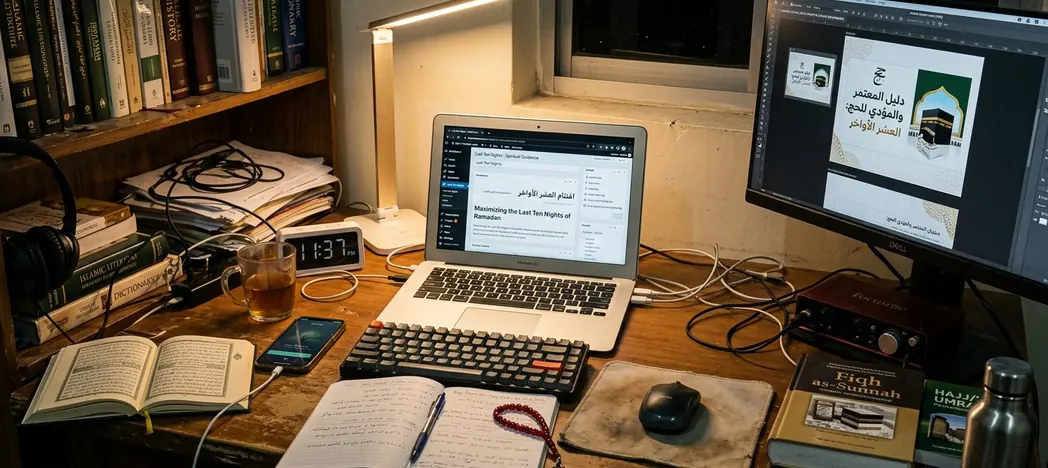
The last Ashra—the final ten-day period of Ramadan, demands special attention. Worshippers actively seek Shabe Qadr on the odd nights: the 21st, 23rd, 25th, 27th, and 29th. The Qur'an describes this night as better than 1,000 months. Accounts of Hazrat Aisha's narration regarding the Prophet's physical strain from long prayers demonstrate intense devotion during this period, showing the spiritual heights available without implying ordinary worshippers must match that exact physical endurance.
Common Mistakes to Avoid in Witr and Taraweeh
Maintaining the integrity of night worship requires avoiding several frequent missteps. These range from legal oversights to communal disruptions.
- Treating Witr casually: Calling Witr optional ignores its Wajib status in Hanafi law and neglects the requirement for Qadha if missed.
- Arguing over rak'ah counts: Debating loudly over twenty versus eight rak'ahs often destroys the humility, punctuality, and unity of the congregation.
- Rushing the movements: Moving through Rukoo', Sujood, Qaumah, and Jalsa without composure invalidates the physical discipline of the prayer.
- Replacing other worship: Assuming Taraweeh replaces the need for Tahajjud, du'a, Qur'an recitation, and Istighfar limits the spiritual potential of Ramadan.
- Creating disputes: Turning a valid juristic difference into a family or mosque conflict instead of following qualified local scholarship fractures community bonds.
Nightly Practice Plan
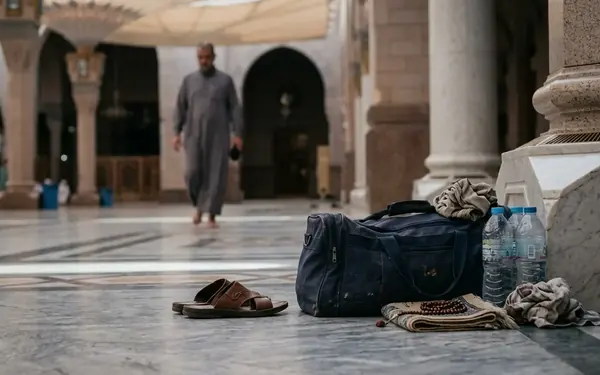
Sustainable nightly worship outlasts a short burst of intensity that collapses after a few days. Workers, parents, and students need a repeatable routine rather than an idealized, impossible schedule.
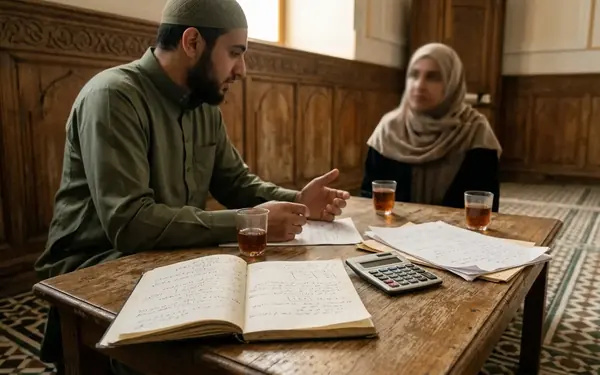
The base routine is straightforward: pray Isha on time, join Taraweeh with composure, complete Witr, and then either sleep or reserve a manageable later portion of the night for Qur'an, du'a, or Tahajjud. For families, the operational recommendation is to choose one consistent mosque routine instead of changing locations nightly based on convenience or ongoing debates. Students encountering confusing practices should keep a small notebook of fiqh questions to ask a scholar later, rather than interrupting worship with disputes.
Important: A worshipper who regularly wakes before Fajr may handle Witr timing differently from a parent or worker who usually sleeps through the pre-dawn period.
Ramadan Night Prayer Checklist
- Pray Isha on time.
- Join Taraweeh with composure, not haste.
- If following the Hanafi mosque routine, complete twenty rak'ahs where able.
- Pray Witr before sleeping unless there is a reliable habit of waking before Fajr.
- In the last Ashra, utilize the odd nights for extra Tahajjud and Istighfar.
Bottom Line: Commit entirely to the twenty-rak'ah Taraweeh practice of your local Hanafi mosque, ensure Witr is completed every single night without fail, and dedicate the odd nights of the last Ashra to focused Tahajjud and Istighfar.