Which Provision Should Be Prepared First?
What must be prepared before the body reaches Makkah?
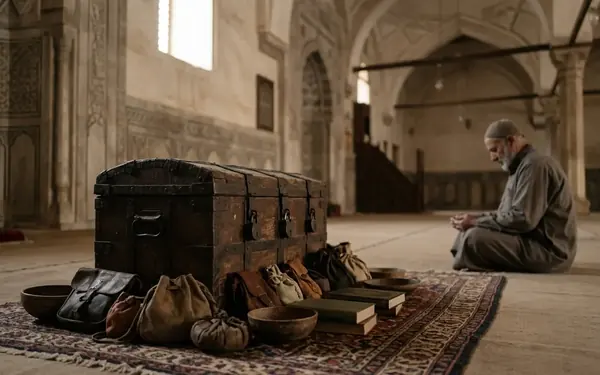
Long before passports are stamped or luggage is weighed, the first-time pilgrim faces a quiet, private reckoning. The Qur’an anchors this preparation directly in Surah Al-Baqarah 2:197: “And take provisions, but indeed, the best provision is taqwa.”
Hajj preparation is not merely a checklist of outward logistics. Securing visa processing, scheduling vaccinations, mapping transport routes, and confirming hotel check-ins are necessary steps. Understanding group movement between Makkah, Mina, ‘Arafah, and Muzdalifah ensures physical safety. Yet these logistical milestones serve a deeper purpose. They support the inner journey.
An inner plan requires deliberate attention to intention, repentance, patience, and reverence. This spiritual readiness plan should be reviewed daily in the final around 30 to 40 days before departure. It does not replace learning the fiqh of Hajj. It ensures the heart is ready to perform those rulings.
Bottom Line: Outward preparation moves the body, but inward preparation moves the soul toward acceptance.
Purifying the Intention Before Ihram
Intention forms the foundation of the pilgrimage. It precedes entering ihram, spending money, adopting a public identity, and enduring travel fatigue.
The Prophetic teaching establishes that actions are judged by intentions. A pilgrim must ask why they are undertaking this journey. The answers should root firmly in obedience, gratitude, repentance, and a longing for Allah’s pleasure.
Examine your motives at four ordinary moments:
- Check your heart before paying the deposit.
- Pause while packing your suitcase.
- Reflect at the airport departure gate.
- Assess your state immediately before entering ihram.
Distractions easily corrupt a noble purpose. Avoid treating the journey as a lifetime travel achievement or a family competition. Resist the urge to compare travel packages with relatives. Guard against turning sacred moments into a social media event. The desire to be called "Haji" upon return can quietly unravel months of preparation.
Use a short, private wording to anchor your focus. You might say: “O Allah, I am going in obedience to You, seeking Your forgiveness and pleasure; protect me from showing off and from returning unchanged.”
Settling Rights Before Seeking Forgiveness
Repentance operates on two axes. It requires seeking Allah’s forgiveness vertically and repairing harm done to people socially.
A pilgrim might memorize the exact order of tawaf and sa‘i but leave unpaid wages and family wounds untouched. Ritual confidence cannot replace the hard work of social repair.
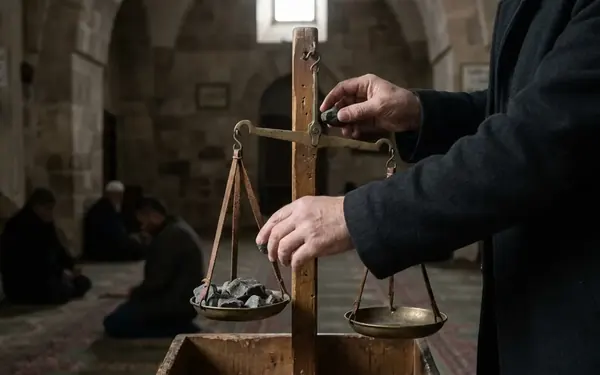
Create a written rights list divided into three columns. Document money owed, items or trusts held, and people harmed by speech or broken promises.
Set aside roughly 10 to 14 days before departure to address these ordinary matters. Return borrowed books or devices. Settle small debts and clarify unpaid wages. Address ignored inheritance questions or delayed mahr discussions. Apologize for harsh words that still affect someone.
Restoring rights requires wisdom and privacy, not dramatic public confession. Choose suitable contact methods. A short phone call, a direct message, or a bank transfer with a clear explanation often suffices. If direct contact might inflame a sensitive situation, return a borrowed item through a trusted family member.
Important: Complex legal, marital, inheritance, or financial disputes require specialized intervention. Take these matters to certified scholars or appropriate authorities rather than attempting a rushed resolution before travel.
Learning the Rites Without Becoming Anxious
First-time pilgrims must learn the sequence of the rites at a calm, usable level. Devotional focus improves when you are not constantly confused about what comes next.
The core Hajj movement window spans the 8th to the 12th or 13th of Dhul-Hijjah, depending on your group plan and the completion of Mina days. The main sequence follows a specific order: ihram, tawaf, sa‘i, standing at ‘Arafah, Muzdalifah, Mina, stoning, sacrifice, shaving or trimming, and the farewell tawaf.
Rely on one trusted manual or teacher to build this foundational knowledge. You can also consult the official Nusuk Hajj guidance for structural overviews. Save one group guide contact on your phone. Write this same number on a piece of paper in case your phone battery dies during a crowded transit.
Aim for a specific rehearsal standard. One way to reduce anxiety is to practice explaining the Hajj sequence aloud in about three to five minutes without reading from notes before departure.
Community experience suggests that structured rehearsal reduces on-the-ground confusion. Though this observation applies broadly across different travel groups, individual retention still relies heavily on personal review.
A Hanafi pilgrim traveling with a mixed-school group may hear different instructions regarding the details of ihram, stoning timing, or sacrifice arrangements. This guide follows a Sunni Hanafi educational orientation. If you follow another school of thought or face a highly specific personal scenario, consult your own scholar or group guide.
Training the Character Before the Crowd Tests It
The rites of Hajj are performed under immense physical pressure. Crowds, intense heat, endless waiting, language barriers, and disrupted sleep will quickly reveal the true state of the heart.
Surah Al-Baqarah 2:197 explicitly warns against obscenity, sin, and quarreling during Hajj. Irritation and argument are pre-Hajj training issues. They are not merely logistical annoyances to be managed on the ground.
Implement household-level drills in the final close to 21 to 30 days before your flight. A useful method for building endurance is to practice waiting in queues at the grocery store without offering commentary. Lower your voice during a disagreement. Delay answering anger for a few breaths. Serve your family members without mentioning the favor afterward.
Manners are tested long before you see the Ka‘bah.
Travel-agent offices, airport check-in lines, group buses, and family packing discussions are the initial proving grounds. Prepare for realistic crowd stressors. Anticipate bus delays after ‘Isha, cramped shared hotel lifts, hot walking routes, and confusion at service desks.
Field Note: Knowing what is legally valid should never become an excuse to humiliate someone who is confused. Pair practical rulings with adab.
A Forty-Day Inner Routine Before Departure
Consistency holds more value than intensity for a first-time pilgrim managing work, family duties, and travel anxiety. Build a simple routine rather than an overwhelming program.
Use forty days as a planning frame. This is a practical window, not a religious formula or a required Sunnah number.
Focus on five daily components:
- Pray the five obligatory prayers on time.
- Read a fixed Qur'an portion.
- Recite morning and evening adhkar.
- Send salawat upon the Prophet Muhammad (PBUH).
- Dedicate five to seven minutes to repentance before sleep.
Develop one Hajj-specific dua list. Categorize your supplications clearly: parents, spouse, children, teachers, the Ummah, the oppressed, the sick, deceased relatives, and your own spiritual reform.
A gradual reduction of unnecessary entertainment and idle speech helps in the final 30 to 40 days. Do not attempt a sudden, complete withdrawal on the last night before travel. Let the heart arrive less cluttered.
Make this routine portable. You must be able to continue these practices in the airport, a shared hotel room, a noisy bus, and a crowded Mina tent without needing a perfectly quiet environment.
A Prayer Before the Journey Becomes Real
The house is finally quiet. The luggage is nearly closed. This is the moment before movement begins.
Ask Allah to accept the pilgrimage and purify your intention. Pray for ease in the rites. Ask Him to protect your tongue, soften your heart, and return you home with forgiven sins and renewed obedience.
Take three to five minutes for a quiet meditation prompt. Sit still before departure. Imagine the physical sensation of entering ihram. Name exactly what must be left behind for this journey to be sincere.
Tie this decision to one concrete matter. It might be a persistent sin, a long-held grievance, a harsh habit of speech, hidden pride, an online distraction, or an unresolved resentment.
Before you pack the final item in your suitcase, what is the one sin, grievance, or distraction you are ready to leave behind for Allah?