The Journey Is Proven After the Return
“Indeed, the first House established for mankind was that at Makkah—blessed and a guidance for the worlds.” Qur’an 3:96–97
The verse should stand before every travel description. Makkah is not made sacred by our longing, photography, or memory. Allah named its blessing before any pilgrim packed a bag.
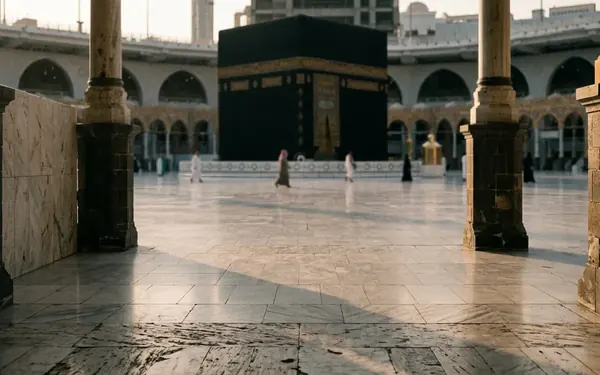
I first thought of opening with the emotional scene of arrival: the first glimpse of the Ka‘bah, the hush in the chest, the tears that come before words. That is real, and many Muslims know it. But the stronger devotional test begins later, often in roughly the first 7 to 30 days after returning home, when missed prayers, harsh speech, business habits, and family conduct quietly reveal what the journey trained.
The deepest sign of loving Makkah and Madinah is not how intensely a person felt while standing there. It is the obedience, humility, and restraint carried home afterward.
This reflection is for pilgrims preparing to travel, pilgrims who have returned, students learning sacred history, and families who love the sanctuaries from afar. The two cities are spoken of together with reverence, yet their virtues are not identical. Makkah teaches through the House and the rites. Madinah teaches through Prophethood, Hijrah, Sunnah, and community.
Makkah: The Sanctuary Where Tawhid Becomes Visible
Makkah begins with tawhid. The believer faces the Ka‘bah in daily prayer from every land, then, if Allah grants the visit, stands before al-Bayt al-‘Atiq, the Ancient House. The body arrives where the heart has been turning for years.
Theology in Motion
In Makkah, belief is not left as an idea. Ihram lowers the appetite for display. Tawaf around the Ka‘bah consists of seven circuits, each one reminding the pilgrim that worship has a center and the self is not it. Sa‘i between Safa and Marwah consists of seven passages, and it carries memory, need, and trust through physical movement.
Prayer in the Sacred Mosque teaches awe without performance. Qur’an recitation there feels different for many believers, not because the words have changed, but because the servant has been made more aware of standing before Allah. Even restraint becomes worship: the tongue is guarded, anger is swallowed, and small sins no longer feel small.
What Makkah Trains
The sanctity of Makkah is not merely historical. It continues to train Muslims in submission, equality, patience, and repentance. The wealthy and the poor enter the rites under the same Lord. The learned and the new Muslim circle the same House. A person who normally controls the room learns to move with the crowd.
Bottom Line:
- Reverence for prayer.
- Caution against sin.
- Renewed seriousness about halal and haram.
Madinah: The City Where Prophetic Love Takes Form
Madinah is understood through relationship. Love for Madinah is inseparable from love for the Prophet Muhammad, peace and blessings be upon him, and love for him is not complete without obedience to his Sunnah.
Four devotional memories shape the city: the Hijrah, the Prophet’s Mosque, the brotherhood of the Muhajirun and Ansar, and the formation of a worshipping community. The Hijrah teaches sacrifice. The Prophet’s Mosque teaches worship, learning, counsel, and mercy. The Muhajirun and Ansar teach that faith changes how people receive one another. The early Madinan community teaches that Islam builds prayerful lives, not private sentiment alone.
Love That Learns Manners
Sahih al-Bukhari and Sahih Muslim preserve well-known themes about the Prophet’s love for Madinah and his supplication for its blessing. These reports matter because they keep devotion anchored. The believer does not love Madinah as scenery. The believer loves what Allah honored there: revelation lived, Sunnah taught, mercy embodied, and a community formed around worship.
Adab in Madinah is therefore practical. Send abundant salawat. Keep calm speech near sacred spaces. Avoid pushing, filming distraction, and argument, especially where other hearts are trying to be present. A quiet step can be more truthful than a dramatic display.
Here is the comparison I find useful: Makkah strips the servant down before the Lord of the House; Madinah softens the servant through nearness to the Messenger’s way. Both forms of love should make a Muslim gentler, more disciplined, and less impressed with the self.
Reverence Without Excess: Guarding the Heart in Sacred Places
Two mistakes appear often enough that they should be named plainly. The first is treating the sacred cities like ordinary travel destinations. The second is treating religious emotion as a replacement for sound belief and obedience.
Important: Sunni devotion honors places connected to revelation and Prophethood, while worship remains for Allah alone.
This balance protects the heart. A Muslim may weep in Makkah and Madinah, speak with tenderness about them, and feel grief at leaving them. None of that requires exaggeration. Reverence is strongest when it stays inside the boundaries of tawhid.
The Hanafi-Deobandi scholarly temperament is helpful here: deep reverence, disciplined worship, caution in claims, and avoidance of exaggeration. It encourages a person to honor what Allah and His Messenger honored, without turning emotion into evidence for claims that have not been established.
This devotional reflection should not replace detailed fiqh study for Hajj, Umrah, visitation etiquette, or disputed legal questions; it is a guide to spiritual posture, not a manual for every legal case.
Field Note: Before entering the Haram or the Prophet’s Mosque, pause. Lower the voice, renew the intention, ask Allah for accepted worship, then enter without rushing or competing for space.
How Pilgrims Can Practice Love for the Two Sanctuaries
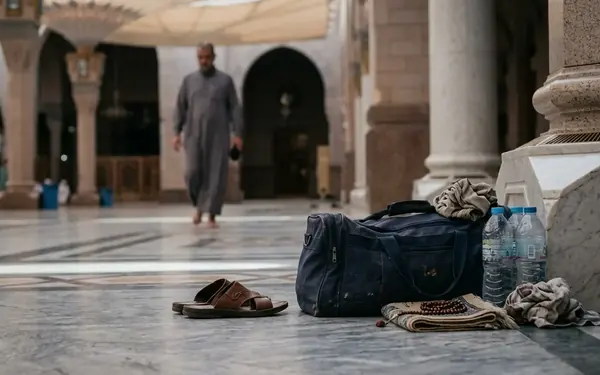
Love becomes clearer when it is practiced before departure, during the visit, and after return. A person who prepares only the suitcase has prepared too little.
Before Travel
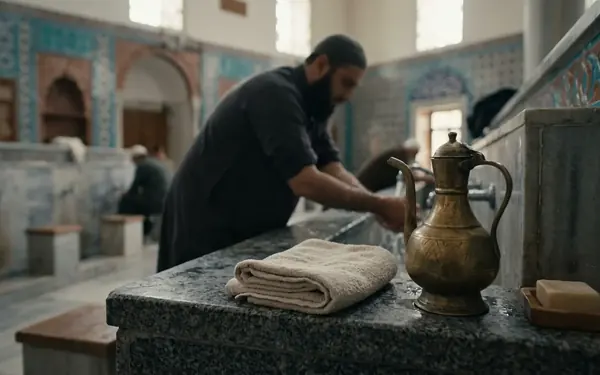
Set aside a preparation window of about 14 to 30 days if possible. Learn the essential rulings of ihram, tawaf, sa‘i, prayer during travel, and the basic adab of the sanctuaries. Make sincere tawbah before leaving, settle what can be settled with people, and ask Allah to make the journey a means of obedience rather than spiritual vanity.
- Review the acts that invalidate or disturb ihram.
- Learn the sequence of Umrah or Hajj rites before the crowd surrounds you.
- Practice guarding the tongue at home, because travel will test it.
- Prepare to give space to the weak, the elderly, and those moving slowly.
In Makkah
- Begin with sincere tawbah.
- Enter ihram with restraint, not merely correct clothing.
- Make tawaf with presence and humility.
- Pray with the awareness that Allah called you to His House.
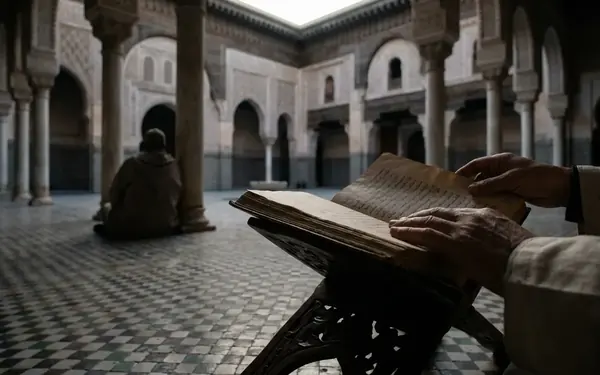
- Recite Qur’an without racing for quantity alone.
- Keep gratitude alive for being brought to the House of Allah.
A common mistake is to spend the best hours managing photos, routes, and complaints, then give worship the tired remainder. Plan the practical details, yes, but do not let logistics become the master of the visit.
In Madinah
- Increase salawat with a present heart.
- Observe calm visitation etiquette.
- Learn from the Prophet’s mercy in the Seerah, not only from the city map.
- Serve fellow visitors when a small need appears.
- Guard the tongue from criticism, impatience, and crowd anger.
- Avoid loud or careless speech near sacred spaces.
For pilgrims who have returned, the next test is ordinary life. Does salah come earlier? Does the home hear softer words? Does income become cleaner? Does the phone lose some of its power over the heart? These are not decorative questions. They are where the visit continues.
For Those Loving the Sanctuaries from Afar
Not every lover of Makkah and Madinah is holding a ticket. Renew awe in the five daily prayers. Study a short Seerah reading schedule over around 21 to 40 days. Help relatives who are pilgrims with knowledge, childcare, transport, or expense. Make du‘a for an accepted invitation when Allah wills.
Distance is not absence. A family gathered around Seerah, a student learning the rites carefully, or a worker refusing doubtful income out of reverence for Allah may be closer to the meaning of the sanctuaries than a traveler who returns unchanged.
A Prayer Before and After the Visit
Before booking, before departure, before entering, and after returning, ask one question slowly: “What part of my life would change if I truly honored Makkah and Madinah after leaving them?”
O Allah, grant us sincere love for Your Sacred House, faithful love for Your Messenger, accepted worship, humility in our hearts, and lifelong obedience in our homes, work, speech, and hidden choices. Make Makkah a means of tawhid becoming firmer in us. Make Madinah a means of Sunnah becoming more beloved to us. Do not let our memories become a substitute for repentance, and do not let our longing become empty of practice.
The recommendation is simple: study the adab of Makkah and Madinah before booking or finalizing travel arrangements, because reverence begins before arrival.