Judging an agreement only by its immediate concessions can obscure what patience and restraint make possible. The Treaty of Hudaybiyyah is an agreement between the Prophet Muhammad and Quraysh following the Muslims’ interrupted journey to perform pilgrimage in Mecca. Its terms brought acute disappointment to the traveling companions, particularly because the pact required leaving without performing Umrah and accepting an asymmetric obligation regarding those seeking to join the Muslim community. Yet the resulting truce addressed both the dispute over access to the sanctuary and the wider relationship between the two sides, creating conditions for peaceful engagement, later pilgrimage access, and a shift in the Muslim community’s public standing.
Why Hudaybiyyah Changed the Meaning of Success
When we study the seerah or examine legal precedents in Islamic history, we often look for decisive turning points where a challenge is immediately resolved. Hudaybiyyah asks for a more disciplined reading. The surface of the document shows deferred worship and uncomfortable obligations, while its underlying structure establishes a framework for sustained peace.
The immediate emotional cost of an agreement is distinct from the legal and practical effects of its clauses. At Hudaybiyyah, the pain of the moment was real and visible to every pilgrim in the camp. The long-term significance only became clear when the pause in fighting altered how people across the region interacted with the message of Islam.

A Pilgrimage Journey Becomes a Negotiation
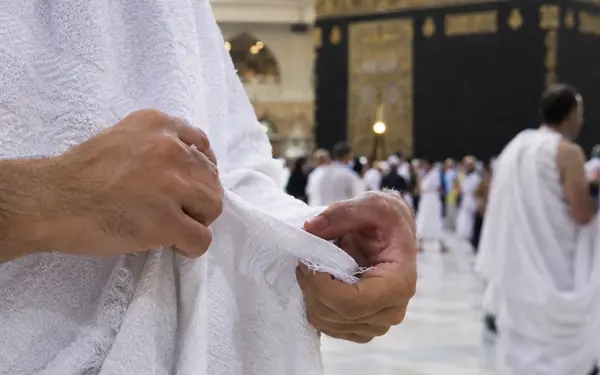
The Muslims set out toward Mecca intending to perform Umrah at the Sacred Mosque, approaching as pilgrims committed to worship and peaceful entry. Because the specific aim was Umrah, their garments, sacrificial preparations, and demeanor all reflected a devotional visit.
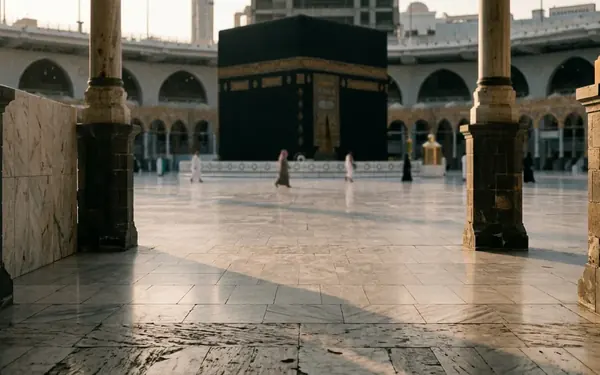
Quraysh controlled entry into Mecca and moved to block the Muslims from reaching the sanctuary. The travelers halted at Hudaybiyyah, a site just outside the sacred territory near Mecca. Stopping so close to their destination made access to the Kaaba an immediate practical crisis.
Devotional sincerity alone could not resolve the standoff against an opposing force determined to deny entry. The community faced two concrete paths: risk armed confrontation at the edge of the sanctuary to force their way in, or enter into talks that might postpone worship in exchange for a durable framework of peace. As representatives passed between the camps, the focus shifted from whether Umrah could happen on that trip to how both sides would govern departure, future access to the Sacred Mosque, and the suspension of warfare.
The Terms That Made the Agreement Difficult to Accept
Each clause helps explain why the treaty sparked such grief among the pilgrims while still serving the community’s future. Some provisions imposed an immediate sacrifice, while others created reciprocal restraints or opened diplomatic space.
- Suspension of hostilities: Both parties committed to a sustained truce. Practically, this stopped armed conflict and established mutual restraint. Taken by itself, a ceasefire was a balanced measure, though signing it alongside painful concessions made the whole package feel heavy to the Muslims.
- Departure without performing Umrah on that visit: The Muslims agreed to turn back without entering Mecca to complete their pilgrimage rites. The immediate effect was a sharp devotional disappointment for travelers standing near the sanctuary, though the clause deferred their access to the Sacred Mosque without permanently giving up the right to visit.
- Permission for a later pilgrimage: The pact guaranteed that the Muslims could return on a subsequent visit to perform Umrah under agreed conditions. While this failed to satisfy the longing to worship on the current journey, it secured an explicit, recognized route to the sanctuary for the future.
- Freedom for tribes to enter alliances: Other tribes in the region were free to align themselves formally with either the Prophet Muhammad or Quraysh. This provision extended the peace framework beyond the two primary signatories, giving the Muslim community room to build broader coalitions, even as it meant the conduct of allied tribes could directly test the stability of the truce.
- The unequal return provision: Any man coming from Quraysh to join the Muslim community without the permission of his guardian had to be sent back, even if he came professing Islam, whereas Quraysh accepted no corresponding duty to return anyone going from the Muslim side to Mecca. This stark asymmetry in personal obligations was the single hardest clause for the companions to witness.
Analytical Note on the Treaty Clauses
Break the apparent disadvantage into its distinct legal and practical mechanisms: turning back prevented Umrah on that specific journey, and the return clause created a painful, one-sided personal duty, whereas the ceasefire and alliance clauses quietly built a new platform for outreach and diplomacy.
Why the Companions Found Acceptance Painful
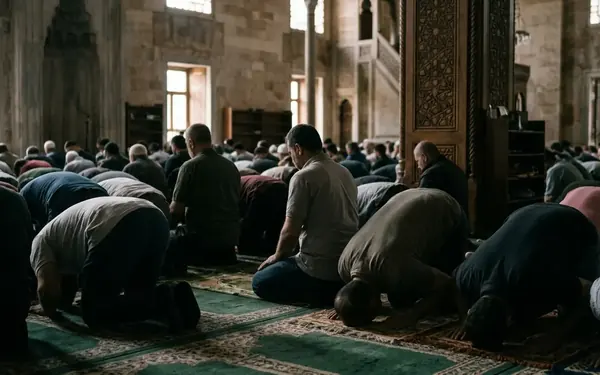
Approaching the outskirts of Mecca in a state of pilgrimage creates a deep expectation of worship. Being told to halt at Hudaybiyyah and return home demanded far more than a simple adjustment of travel plans. The Sacred Mosque was close, yet the path remained closed.
The companions felt intense distress as the terms were finalized. Classical scholarship presents their heavy hearts with deep respect, recognizing that their grief grew out of love for the sanctuary and concern for vulnerable believers caught by the return clause. Their pain reflected the weight of the moment, never a flaw in their commitment to the faith.
The return provision made the diplomatic imbalance immediate and human. It meant turning away individuals who actively sought the shelter of the Muslim camp. Even so, the Prophet Muhammad accepted the settlement and honored its obligations in full. Acceptance became visible through concrete actions: complying with the return rule when tested, completing the required rites to exit the pilgrim state outside Mecca, and leading the community back in disciplined obedience to the word given.
How the Truce Opened Space for Islam
Once the caravan departed Hudaybiyyah, the practical mechanics of the truce began to reshape relations across the peninsula. Removing the constant threat of battle lowered barriers to daily movement and personal contact.
People who had previously interacted with Muslims primarily through the lens of military conflict could now travel, converse, and observe Islamic practice in peaceful settings. Wider discussion of the Qur’an and the Prophet’s message flourished when families and tribes could meet without fear of immediate hostilities. Meanwhile, the clause permitting tribal alliances broadened the community’s network, drawing new groups into formal treaty relationships and making the behavior of those allies central to keeping the peace.
The negotiation process itself also shifted the Muslim community’s public standing. By drafting and signing a reciprocal pact with the Prophet Muhammad, Quraysh treated the Muslim polity as an established party capable of making binding commitments. This diplomatic recognition did not mean Quraysh accepted Islam’s religious truth claims, which they still opposed, yet it fundamentally altered how surrounding tribes viewed the standing of Medina.
Subsequent events followed a clear historical sequence. In time, the Muslims returned peacefully to enter Mecca and fulfill the deferred Umrah, proving that departure from Hudaybiyyah had only postponed their access to the Sacred Mosque. Later still, after a breach of the treaty’s alliance terms occurred, the sequence of events led to the opening of Mecca. What looked like a painful concession at the halting place of Hudaybiyyah had laid the groundwork for peaceful communication, recognized public standing, and the fulfillment of the pilgrimage.
Apply Hudaybiyyah’s Distinction Between Purpose and Concession
Studying the seerah should refine our own character and decision-making when we encounter stalled goals or difficult negotiations in family, community, or organizational life. The history of Hudaybiyyah teaches us to practice patience under acute disappointment, draft clear terms, maintain strict fidelity to our word once given, and trust in divine wisdom when immediate outcomes look modest.
Before applying these lessons to a modern dispute or contract, keep one boundary in mind: Hudaybiyyah serves here as ethical instruction for personal and communal restraint, whereas specific legal questions about binding contracts require consulting qualified Islamic legal scholarship to examine your actual agreement, and making a personal compromise carries no guarantee of reproducing the treaty’s historical outcome.
When you face a difficult negotiation or a stalled project, separate your core purpose from the immediate concessions being asked of you by examining what a proposed term actually surrenders and what practical opening it preserves. Write down three distinct entries for your current situation: the fundamental principle you must preserve, the specific action or access you are being asked to defer, and the concrete opportunity for peaceful communication or future progress that accepting the delay will create.