With upward of 13 million pilgrims performing Umrah annually, the Haram remains a shared space year-round. Tawaf takes place around the Kaaba alongside fellow worshippers. Even when a departure seems likely to be less busy, a quieter date can be a sensible preference: it may give a pilgrim more room to move and more ease in paying attention to the rites. It does not make that pilgrim’s worship more valuable, nor does it promise solitude in the Haram.
Selecting dates requires looking at what gives a particular group a workable journey, enough rest, and space to worship with care. I would start with those practicalities before looking for the quietest-looking week on a calendar.
Room to Move Around the Kaaba
A little more space can change the feel of tawaf. Pilgrims can keep a manageable pace, notice those moving nearby and attend to their worship without making every step a negotiation. The benefit is modest but worth considering when choosing dates.
That room may come and go during the same visit. A manageable tawaf does not promise an uncrowded walk between Safa and Marwah, or a quiet place to pause elsewhere in the Haram. Planning for lighter crowds means allowing for shared space, rather than expecting it to disappear.
This distinction matters because a booking decision can carry too much spiritual weight. A pilgrim may reasonably prefer easier movement while recognising that intention, patience and care for others remain part of the journey on any date.
What Crowds Ask During Tawaf and Sa’i
In a busy Haram, attention has more than one task. During tawaf, a pilgrim follows the flow around the Kaaba while staying aware of people close by. During sa’i, the walk between Safa and Marwah calls for stamina as well as consideration for those moving at different speeds. Both rites can ask for patience when companions need to slow down or pause.
The demands change with the people travelling. A family with a child may want to agree who stays alongside the child. Someone travelling with an older relative can ask what pace feels comfortable instead of assuming that age alone determines the answer. A companion with limited mobility may have particular needs to discuss before the group sets out. Agreeing where to regroup if separated gives everyone a clear next step without adding worry in the moment.
There is also something deeply moving about worshipping among Muslims who have come from many places. Some pilgrims draw strength from that shared presence. Others find it easier to concentrate when movement feels less pressed. A quieter period may help the latter, though concentration cannot be secured by a travel date.
Weighing Fares Against Leave and Family Time
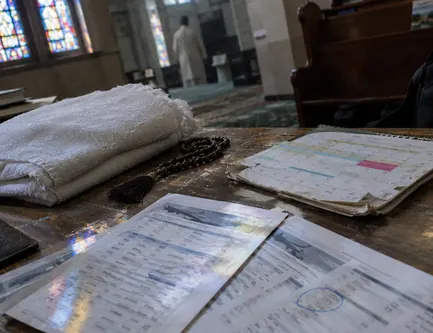
A less popular departure may leave more choice of flights and accommodation. Whether it saves money depends on the actual dates, booking terms and people travelling. The household calendar comes first: school commitments, employment leave and the chance to make Umrah together may narrow the options before price enters the discussion.
Compare the whole journey
The lowest advertised fare tells only part of the story. Put feasible itineraries side by side and check the return journey, baggage terms and stopovers. Look at where the accommodation sits in relation to the Haram and how the group will travel between them. A cheaper flight that arrives when everyone needs sleep may also change what can sensibly happen on arrival day.
These details matter differently to different groups. A long stopover may be manageable for one traveller and tiring for companions who need more rest. A hotel farther away may suit a group comfortable with the journey to the Haram, while another group would value a shorter route. Compare those trade-offs with the people who will actually travel, rather than judging the fare in isolation.
If school holidays or shared leave make a busier date possible for the whole family, that can be a sound choice. Lighter crowds deserve a place in the conversation, not the power to override every family duty.
Preparing for Attention, Whatever the Crowd
Date selection can create breathing room; preparation helps a pilgrim use it. Before departure, review the order of tawaf and sa’i. Keep essential supplications accessible in a small booklet or on a charged phone. On the day of Umrah, leave an uncommitted period for rest rather than assigning every available hour an activity.
That modest plan gives worship room to unfold. A pilgrim can pause when tired, make supplication without watching the next appointment and respond gently when someone nearby needs space. Conduct towards fellow pilgrims belongs in the same conversation as private concentration.
A lighter crowd may make attentiveness easier for some people, but it neither guarantees spiritual depth nor establishes greater religious merit for the booking. Pilgrims may have good devotional or family reasons to travel in a busy period. The aim here is to protect what a traveller can prepare for: knowledge of the rites, a humane pace and a willingness to show patience when the Haram is full.
Questions to Set Beside Each Possible Date
Take the departures your household could genuinely make and put them on a single sheet. Apply the same questions to each option, including any date that first looked especially appealing:
- Who can travel? Check companions’ availability alongside school, work and family responsibilities.
- What will the complete trip cost? Include return travel, baggage terms and accommodation, and note the practical journey from the hotel to the Haram.
- How tiring is the itinerary? Consider stopovers, arrival time and whether the party will need rest before beginning Umrah.
- How much flexibility remains? Look for room to rest, accommodate a slower pace and adjust plans without pressing companions to keep up.
Before paying, check current entry, booking and access requirements through official Saudi government channels. Requirements can change, so check again close to departure for anything that affects the trip.
The comparison may point to a less crowded departure. Choose it when the extra room is likely to help the group move and worship with attention, without putting undue pressure on finances, health or family obligations. If another date holds the group together and makes the journey manageable, the sheet has done its work just as well.
Giving the Day of Umrah Room to Breathe
Once the date is chosen, keep the day itself workable. Rest before setting out, allow time to gather companions and reach the Haram, and leave some leeway for entering and moving through shared spaces. If progress is slower than expected, the group can stay together without treating every pause as a delay.
A simple agreement helps here: know where companions will regroup, keep what is needed for supplication close at hand and avoid filling the hours after the rites. The quieter date then serves its proper purpose. It gives the party a better chance to make room for worship within an ordinary day of travel, walking and rest.
Picture the moment after sa’i: a pilgrim finds an available resting area near the Grand Mosque, opens a small prayer booklet and makes supplication. After a while, the pilgrim closes the booklet and returns to the hotel.